
3 min read
The ROI of Professional Event Photography
Most companies think of event photos as memories. Here's why the best ones treat them as assets — and how to get more out of every shoot.
Category:
Events
Updated:
Sep 29, 2026
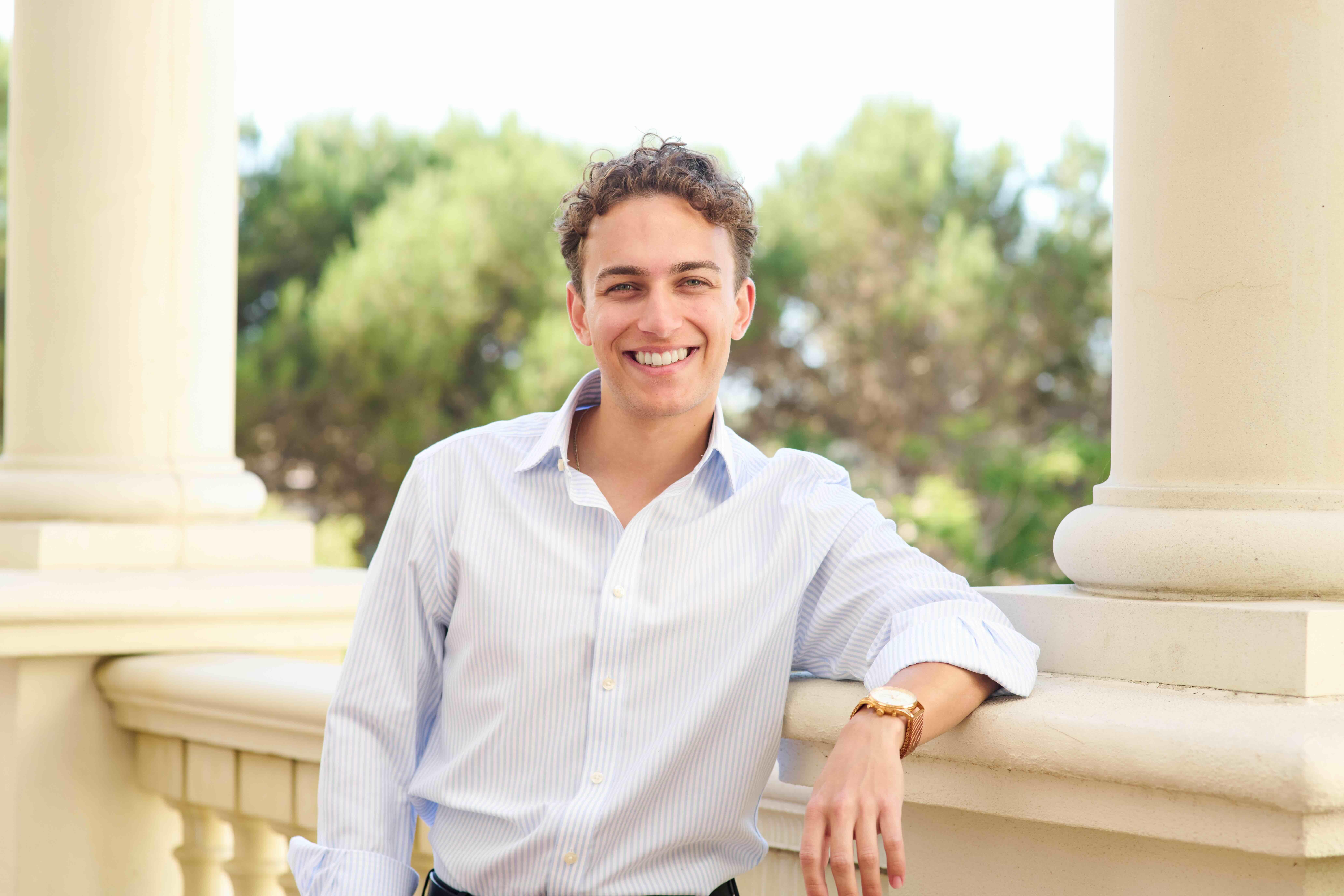
Matthew
Hicks
There's a moment that happens a few weeks after almost every corporate event. Someone on the marketing team needs an image — for a recap post, a proposal, an award submission, a pitch deck — and they open their camera roll to find a handful of blurry, backlit phone shots and one decent photo taken by a colleague who happened to be standing in the right place.
It's a frustrating moment. And it's completely avoidable.
What event photos actually are
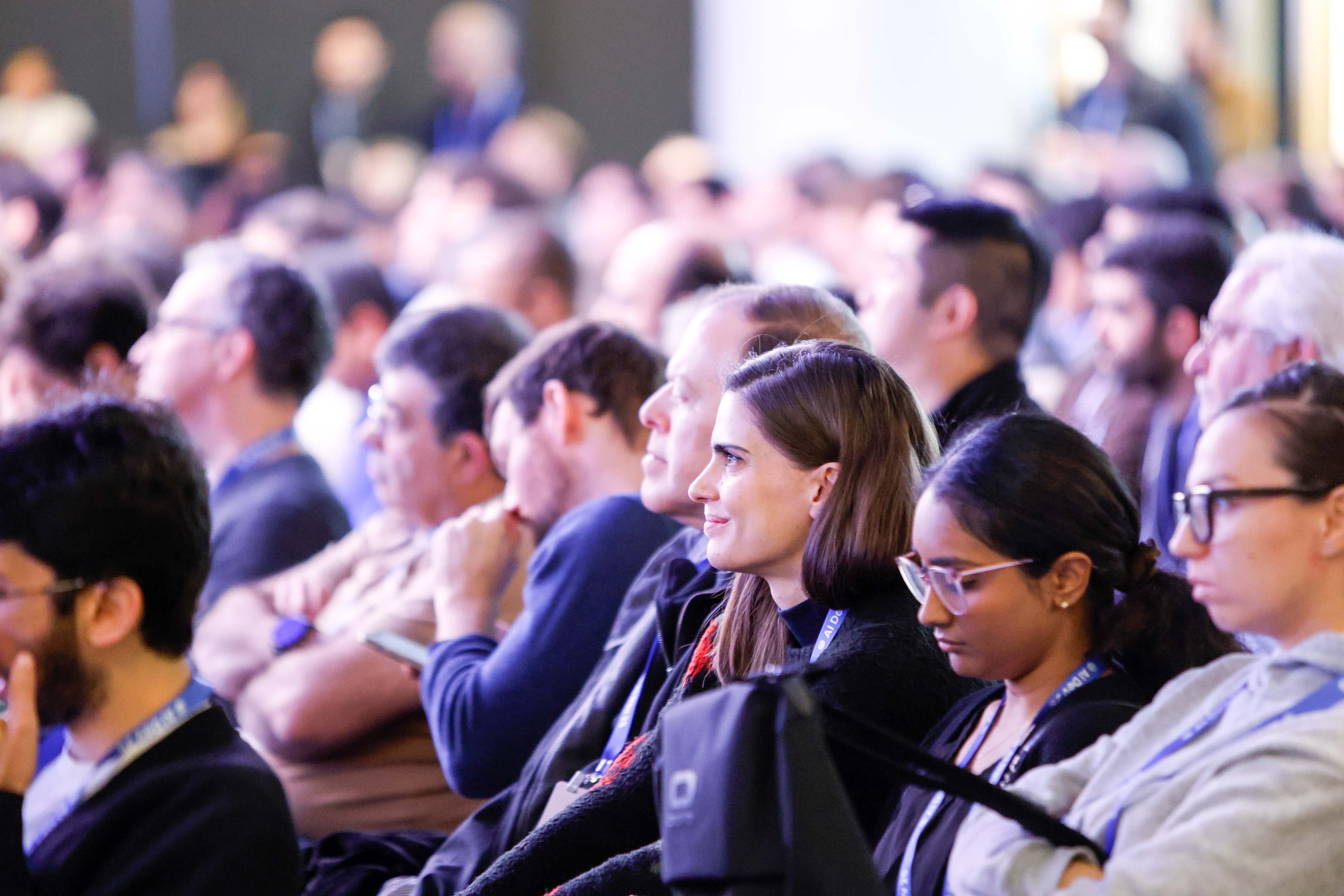
Professional event photography isn't documentation — it's content production. Every image that comes out of a well-photographed event is a potential asset: a social post, a media pitch, a website banner, a client-facing presentation, an internal newsletter. The companies that understand this brief their photographer like a content partner, not a vendor.
The cost of not having them
Think about what you spend on the event itself — the venue, the catering, the speaker fees, the staff time. Now think about what gets created to show for it afterward. If the answer is "not much," the photography budget isn't the line item to cut. It's one of the few investments that pays dividends after the event is over.
What professional images do that phone photos can't
Lighting, framing, and timing aren't aesthetic preferences — they're functional. A well-lit speaker photo can anchor a PR pitch. A sharp, wide room shot can illustrate scale and credibility. A candid moment captured at the right instant can humanize your brand in a way that a logo never will. Phone photos flatten all of this. Professional images preserve it.
How to get more out of the investment
Brief your photographer before the event. Give them a shot list — not just "get some photos," but specific moments, specific people, specific details that matter to your business. Tell them what the images need to do. The more context they have, the more targeted their eye will be throughout the day.
Professional event photography is one of those things that's easy to skip until you need it and don't have it. The companies that build it into every significant event aren't spending more — they're just getting more out of what they're already doing.

