
8 min read
The B2B Marketing Photography Playbook: Headshots, Team, and the Shots Your Website Is Missing (2026)
Photography is trust infrastructure, not decoration. The complete playbook: auditing your site's imagery, building a consistent headshot system, executive portraits, wardrobe, and the one-day full shoot.
Category:
Photography
Updated:
Sep 29, 2026

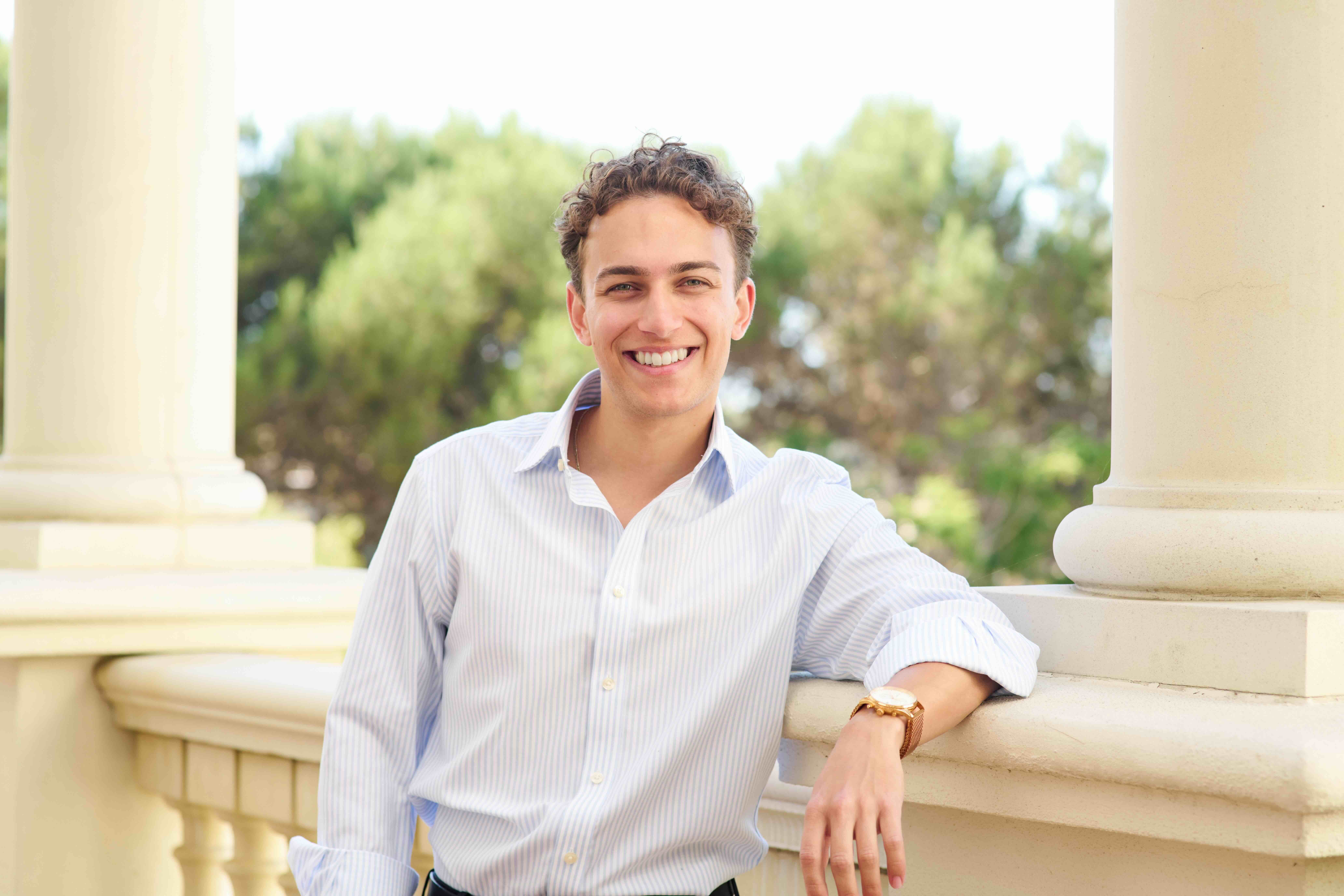
Matthew Hicks
Founder
The short answer: B2B buyers research you like candidates research employers — team page, LinkedIn, About page, founder photos — and stock imagery quietly fails every one of those checks. The playbook: audit your site against the twelve photos that build trust, fix the team grid first (it's the highest-traffic offender), give executives a real portrait system, and batch everything else into one planned shoot day ($7,500, ~50 finished images). Here's the whole system.
Photography is the least-discussed layer of B2B marketing infrastructure. Nobody attributes a closed deal to a team page — but every prospect who books a call has looked at one, and formed an opinion. This playbook treats imagery the way you treat your website copy: deliberate, current, and owned.
Step 1: Run the audit
Start with the twelve photos every B2B website needs — hero, leadership portraits, team grid, culture, space, product, collaboration, and the press verticals. Most sites have a third of the list, and the gaps cluster in the same places: no real culture photos, a team grid assembled from self-submitted selfies, and a founder photo from two companies ago. The audit takes twenty minutes and produces your shot list.
Step 2: Fix the team grid first
If you fix only one thing, fix this. The team page is among the most-visited pages on any B2B site — prospects checking who they'd work with, candidates checking who they'd work for — and an inconsistent grid (different lighting, different years, missing faces) reads as organizational drift. Consistent team headshots run $100 per person ($80 for teams of 10–20), shot in a morning at your office. The full case for real team photos is here.
Step 3: Give executives a real portrait system
Founders and executives need more than a grid slot: LinkedIn, press requests, fundraise announcements, and speaker pages each want different frames, on unpredictable timelines. A dedicated executive session ($350, 20 post-produced images with press-ready crops) builds the folder that answers every request for two years — here's how one session covers LinkedIn, press, and fundraising at once. Book it before the announcement that needs it.
Step 4: Prep people properly
Most "bad at photos" problems are prep problems: wrong wardrobe for camera, no direction, and sessions scheduled at the day's low-energy point. Send the team the wardrobe rules — the full what-to-wear guide is here — and let the photographer direct. For anyone going on camera for video too, the on-camera prep checklist extends the same principles.
Step 5: Batch the rest into one shoot day
Culture candids, office and space, product in use, collaboration, recruiting wides — everything else on the audit fits a single planned day. A full marketing shoot delivers ~50 fully post-produced images with commercial licensing, a shot list built against your brand strategy, and web-ready files. At $7,500 it's the efficient tier: per finished image, roughly the cost of a stock subscription that makes you look like everyone else. One day of disruption, then your website, careers page, sales decks, and six months of LinkedIn posts stop competing for the same four photos.
Step 6: Keep it current
Photography decays quietly: people join, people leave, the office moves, the product ships a new version. The maintenance rhythm that works: new-hire headshot sessions a couple of times a year (batch them), executive refreshes every 2–3 years, and a culture top-up shoot annually — often piggybacked on an event you're already covering. Current imagery is the difference between a site that looks maintained and one that looks abandoned; buyers can't articulate it, but they feel it.
Licensing: the fine print that matters
Confirm commercial licensing on every photography quote — website, social, press, and advertising use. My rates include it in full. The alternative — discovering your ad campaign needs a license upgrade mid-launch — is a uniquely avoidable emergency. And keep the originals somewhere the marketing team can find them; the second-most-wasted photography budget is the reshoot of images someone already owns but can't locate.
The four ways companies get this wrong
Stock as a permanent solution — placeholder images that shipped and stayed.
The patchwork grid — five years of self-submitted headshots pretending to be a team page.
Shooting without a shot list — a pleasant day of photos that somehow misses the hero image and the verticals.
No owner — imagery that decays because refreshing it is nobody's job. Give it to whoever owns the website.
FAQ
What should we budget to fix everything?
A 15-person company starting from stock: team headshots (~$1,300), an executive session ($350), and a full marketing day ($7,500) — under $10K for a complete, owned image library with full licensing. Start smaller by fixing the team grid first. Full pricing breakdown here.
How do we choose the photographer?
Portfolio consistency across whole teams (not just single portraits), direction style, retouching philosophy, and licensing terms. The full hiring guide is here.
Our team is remote — does this still apply?
More, if anything: your imagery is the office. Batch headshots around your next offsite, and lean harder on the collaboration and culture shots from that gathering.
Photography or video first?
Photography — it feeds every surface immediately and costs less. Video is the amplifier once the foundation exists; the same planning logic applies when you get there.
Ready to build the library? See the full photography packages, or book a free 20-minute call — send your website and team size, and I'll come back with the audit and an exact plan.

