
4 min read
How to Brief an Event Photographer: The One-Page Shot List That Actually Works
Skip the 40-item shot list. Five must-have moments, ten VIPs with photos, sponsor deliverables, and where the content will run — a working photographer's briefing template.
Category:
Events
Updated:
Sep 29, 2026
Matthew Hicks
Founder
The short answer: the best photographer brief fits on one page — five must-have moments, up to ten key people with reference photos, your sponsor obligations, and where the content will actually run. A 40-item shot list doesn't make coverage thorough; it makes your photographer spend the event reading a checklist instead of watching the room.
I've shot events with no brief (risky), with a novella (worse), and with a tight one-pager (every time, the best galleries). Here's the template, from the receiving end.
Section 1: The five moments that must exist
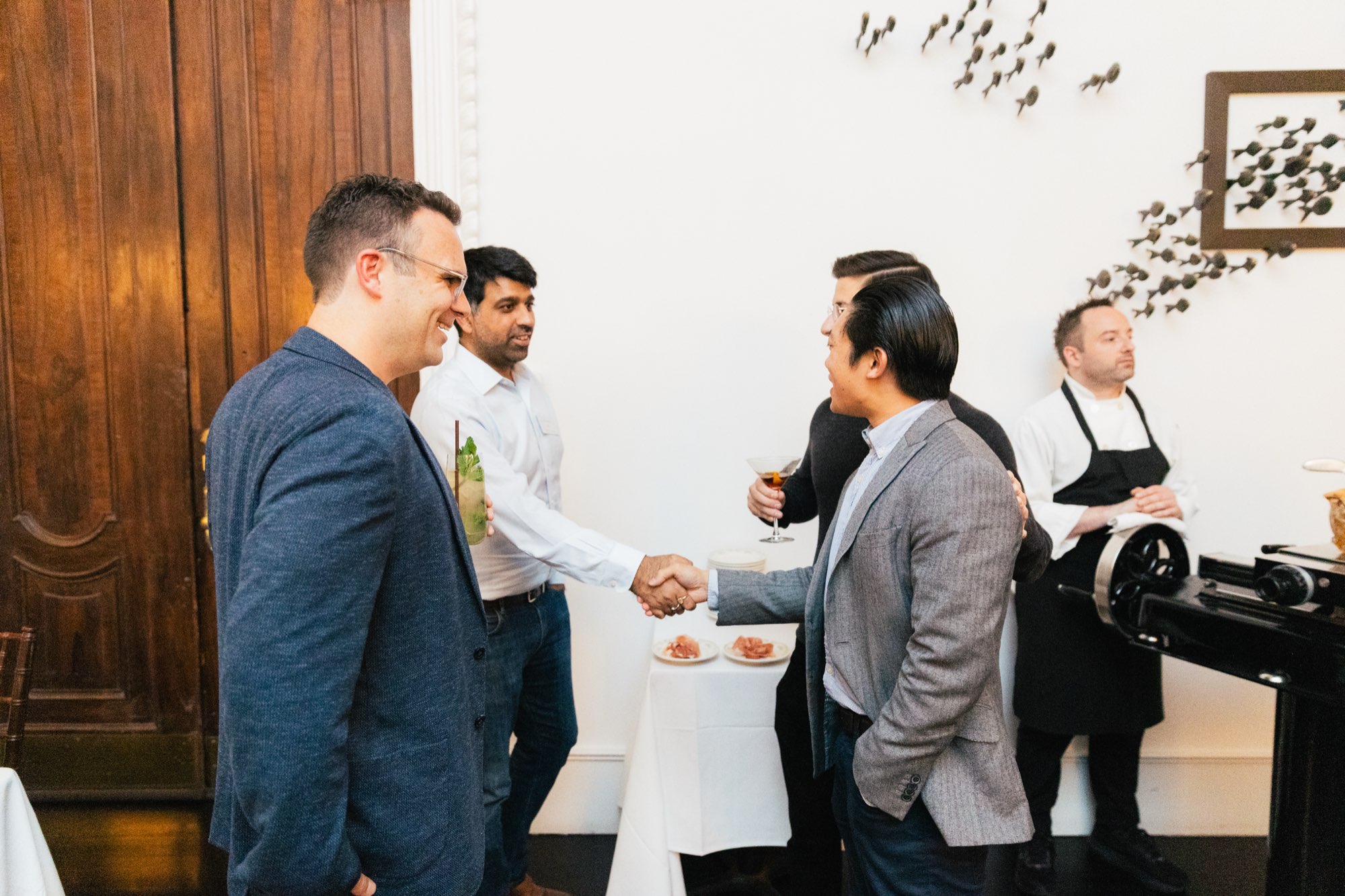
Every event has a handful of images that must come home: the founder's toast, the ribbon cut, the panel with the celebrity guest, the room at full capacity, the award handoff. Name them, with times. Five is the right number — these are the anchor shots your photographer plans positioning and lighting around. Everything else — candids, networking, details, atmosphere — is a professional's default coverage and doesn't need listing. If you're unsure what a pro covers without being asked, my guide to choosing an event photographer covers what should be table stakes.
Section 2: Ten people, with faces
List the people who must be photographed well — executives, key clients, the sponsor's VP, the guest of honor — and attach a photo or LinkedIn link for each. "Make sure you get Sarah from Accenture" means nothing to someone who's never met Sarah. Ten is a working maximum; past that, the list stops being priorities and becomes the attendee sheet.
Section 3: Sponsor and partner obligations
If your sponsorship packages promise coverage — logo visibility, activation photos, a shot of their exec on stage — write those as contractual deliverables, because that's what they are. This is the section photographers most wish existed and almost never get.
Section 4: Where the content runs
One line changes how a photographer shoots: "these are for LinkedIn and a recap email" produces different framing than "we need wide hero images for next year's event site" or "vertical crops for Stories." Tell them the destinations and they'll compose for them — including leaving copy space where your designer needs it.
Logistics that make everything better
Send the brief a week out, with the run-of-show attached, and take the 15-minute call. Day-of briefings waste your first hour of coverage.
Name one day-of contact who can point out VIPs and make judgment calls — someone other than the person running the event.
Flag the sensitive stuff: anyone who shouldn't be photographed, rooms that are off-limits, the surprise that isn't announced yet.
Agree the delivery plan: first selects within 24 hours for your follow-up email, full gallery within 72 — and tell them which five images you'll need first.
FAQ
Should we do a walkthrough before the event?
For a venue your photographer knows, no. For an unusual space or complex production, a 20-minute walkthrough or a floor plan and lighting notes will do it.
What about a mood board?
Three to five reference images of the style you like helps. Thirty screenshots of other people's events doesn't — style lives in editing and instinct, not replication.
Who owns the brief, us or the photographer?
You own the priorities; a good photographer will send you a template or ask the right questions to build it. If they don't ask anything before the event, that tells you something.
What if the schedule changes day-of?
It will. That's what the day-of contact is for — a 30-second heads-up beats a missed keynote.
Have an event coming up? See how I cover corporate events, or book a free 20-minute call and I'll send you the exact one-page brief template I use with clients.

