
4 min read
Photo, Video, or Both? Deciding Coverage for Your Corporate Event
Photos are fastest and most versatile, video reaches furthest, and the right answer follows from what the content must do after the event. A producer's decision framework with real budgets.
Category:
Events
Updated:
Sep 29, 2026
Matthew Hicks
Founder
The short answer: decide based on what the content has to do after the event, not what feels right for the day. Photos are the fastest, cheapest, most versatile asset — press, email, LinkedIn, your website. Video is the highest-impact asset — recaps and reels reach people who weren't in the room. If the event matters enough to fly in speakers or host clients, the honest answer is usually both, and booking both through one team costs far less than two vendors.
This is the most common question I get from event marketers, and the wrong way to answer it is by budget alone. Here's the framework.
Start with the content's job
Follow-up emails to attendees and prospects: photos. Nothing beats a gallery link and three strong images in a same-week follow-up.
Convincing people to come next year: video. A 60-second recap is the single best "you had to be there" asset ever invented.
Sponsor reporting: both — photos of activations and logo placement, video for the sizzle. Sponsors renew on proof.
Social momentum during and after: both, weighted to video — vertical reels are what the algorithms actually distribute in 2026.
Website, recruiting, and press: photos, with video as the upgrade.
What photos do that video can't
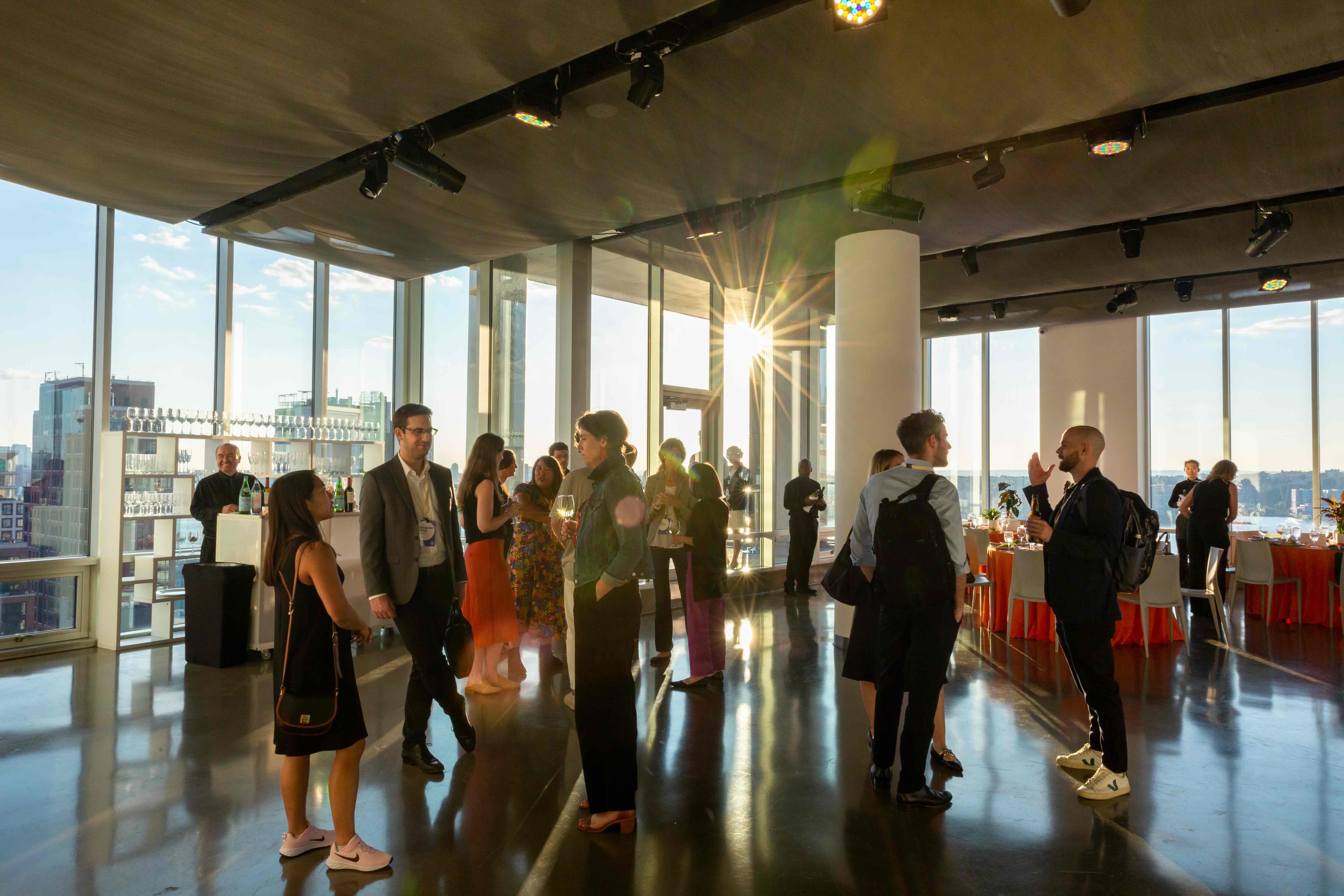
Speed and versatility. First selects can hit your inbox within 24 hours — while the event hashtag is still active — and a full edited gallery within 72. One shoot produces hundreds of usable assets that work everywhere from a tweet to a press release to next year's landing page. The business case for professional event photography is its own article, but the compressed version: photos are the workhorse.
What video does that photos can't
Energy and reach. A recap video carries sound, motion, and atmosphere — the feeling of the room — to the 99% of your audience who weren't in it. Reels cut from event footage consistently outperform static posts on LinkedIn and Instagram, and a keynote capture turns a one-hour talk into a season of quotable clips. Full video pricing is broken down here.
The "both" math
Two separate vendors means two briefs, two contracts, two crews negotiating the same stage sightlines. One team covering both — the way I run combined event coverage — shares the run-of-show, the shot priorities, and the logistics, which is why the second discipline always costs less than the first. For a half-day event, photos plus a recap and reels typically lands around $3,000–$4,500 total, versus roughly double for two independent bookings of equivalent quality.
If the budget only covers one
Choose photos if this is a recurring event and your main job is follow-up and momentum. Choose video if this is a flagship moment — a launch, an anniversary, a first annual summit — where reach and "wish I'd been there" matter more than volume of assets. And if you choose photos now, have the photographer shoot with next year's promo video in mind; a good one will.
FAQ
What does combined coverage cost?
Photography runs $800–$4,500 depending on length; adding video starts around $1,300 for a recap and $700 for a set of reels. A half-day event with both typically lands $3,000–$4,500.
Doesn't one person doing both mean both suffer?
At a 500-person conference with simultaneous sessions, yes — that needs a team. At a networking evening or half-day event, a deliberate plan covers both well. Ask your vendor how they'd staff your specific event.
Which delivers faster?
Photos: first selects in 24 hours, gallery in 72. Video: reels within days, recap within a week. Plan your follow-up sequence around that rhythm.
Can we add video after booking photography?
Usually, if the calendar allows — it's the most common upgrade I get, and it's easiest when requested at least a week out.
Deciding for an upcoming event? See how combined coverage works, or book a free 20-minute call — tell me the event and what the content needs to do, and I'll recommend the leaner option if that's the honest answer.

